Enhance Your Bond: Effective Dog Training Techniques
Training your dog is not just about teaching them commands; it’s about building a strong bond that enhances your relationship. A well-trained dog is a happy dog, and a happy dog makes for a happy owner. In this post, we will explore effective dog training techniques that can help you connect with your furry friend while ensuring they are well-behaved and obedient.
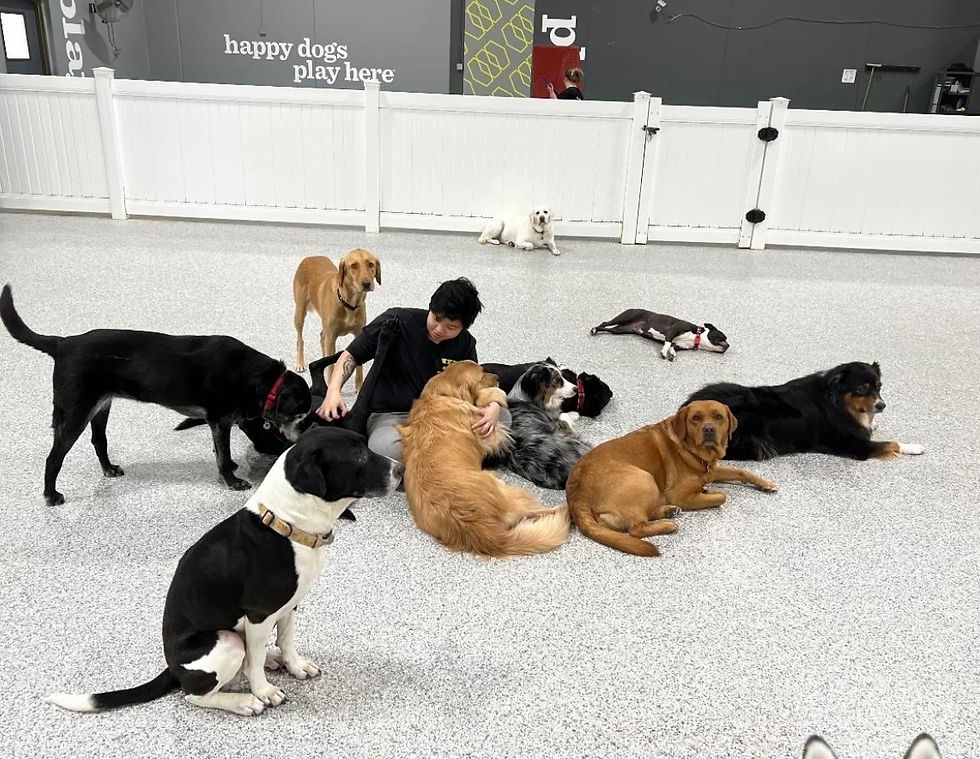
Understanding Your Dog's Behavior
Before diving into training techniques, it’s essential to understand your dog’s behavior. Dogs communicate through body language, vocalizations, and actions. Recognizing these signals can help you tailor your training approach.
Key Behavioral Signals
Tail Position: A wagging tail often indicates excitement or happiness, while a lowered tail may signal fear or submission.
Ears: Erect ears show alertness, while flattened ears can indicate anxiety or aggression.
Posture: A relaxed posture suggests comfort, while a stiff body may indicate stress or aggression.
Understanding these signals allows you to respond appropriately during training sessions, creating a more effective learning environment.
The Importance of Positive Reinforcement
Positive reinforcement is one of the most effective training techniques. This method involves rewarding your dog for desired behaviors, encouraging them to repeat those actions.
How to Implement Positive Reinforcement
Use Treats: Offer small, tasty treats when your dog performs a command correctly. This creates a positive association with the behavior.
Praise: Verbal praise and petting can also be effective rewards. Dogs thrive on attention and affection from their owners.
Playtime: Incorporate play as a reward. If your dog loves fetch, use it as a reward for good behavior.
Timing is Key
The timing of your rewards is crucial. Make sure to reward your dog immediately after they perform the desired behavior. This helps them connect the action with the reward.
Basic Commands Every Dog Should Know
Teaching your dog basic commands is essential for their safety and your peace of mind. Here are some fundamental commands to start with:
Sit
How to Teach: Hold a treat above your dog’s nose and slowly move it back over their head. As they follow the treat, their bottom will naturally lower to the ground.
Reward: As soon as they sit, praise them and give them the treat.
Stay
How to Teach: Start with your dog in a sitting position. Open your palm in front of them and say “stay.” Take a step back.
Reward: If they remain in place, return and reward them. Gradually increase the distance and duration.
Come
How to Teach: Use a long leash and let your dog wander a bit. Call them to you using a cheerful tone and say “come.”
Reward: When they reach you, reward them with treats and praise.
Advanced Training Techniques
Once your dog has mastered basic commands, you can move on to more advanced training techniques.
Clicker Training
Clicker training is a popular method that uses a small device that makes a clicking sound to mark desired behaviors. This technique can be particularly effective for teaching complex tricks.
How to Use: Click the device immediately when your dog performs the desired behavior, then follow up with a treat.
Benefits: The click sound is distinct and helps your dog understand exactly what they did right.
Socialization
Socializing your dog is crucial for their development. Exposing them to different environments, people, and other animals helps them become well-adjusted adults.
Puppy Classes: Enroll your puppy in a socialization class to meet other dogs and people.
Public Outings: Take your dog to parks, pet stores, and other public places to expose them to various stimuli.
Addressing Behavioral Issues
Sometimes, dogs may exhibit unwanted behaviors that need to be addressed. Here are some common issues and how to handle them.
Barking
Excessive barking can be a nuisance. To manage this behavior:
Identify Triggers: Observe what causes your dog to bark. Is it strangers, other dogs, or boredom?
Teach “Quiet”: When your dog barks, wait for a pause, then say “quiet” and reward them for being silent.
Chewing
Destructive chewing is often a sign of boredom or anxiety. To curb this behavior:
Provide Chew Toys: Offer a variety of chew toys to keep your dog occupied.
Redirect: If you catch them chewing on something inappropriate, redirect them to a toy and praise them for using it.
Building a Strong Bond Through Training
Training is not just about obedience; it’s an opportunity to strengthen your bond with your dog. Here are some tips to enhance your relationship during training sessions.
Consistency is Key
Be consistent with commands and rewards. Use the same words and gestures for commands to avoid confusing your dog. Consistency helps them learn faster and builds trust.
Make it Fun
Training should be an enjoyable experience for both you and your dog. Incorporate games and play into your sessions to keep them engaged.
Spend Quality Time
Training sessions are a great way to spend quality time with your dog. Use this time to connect and understand each other better.
Conclusion
Effective dog training techniques are essential for enhancing your bond with your furry friend. By understanding your dog’s behavior, using positive reinforcement, and addressing any behavioral issues, you can create a strong, trusting relationship. Remember, training is a journey, not a destination. Enjoy the process, and celebrate the small victories along the way.
Now that you have the tools and techniques, it’s time to get started. Grab some treats, find a quiet space, and begin your training adventure with your dog today!


Comments